Putting MUI, Mantine, Ant Design
and React Spectrum Under Load |
Den Odell wanted to see how popular design systems cope when you give them real work, so he timed ten of them, including MUI, Mantine, Ant Design and React Spectrum, and profiled the slowest cases. "Performance belongs on the design system team's priority list, next to accessibility," he says. Some highlights:
📊 With the CPU slowed 4x, opening a 249-country dropdown took 84ms in Mantine and 134ms in Ant Design, but over 200ms in MUI and React Spectrum, both of which froze the UI past his 100ms budget. 🔍 React Spectrum's problem was React Aria measuring options one at a time and forcing layout for each. Den filed an issue and a fix is in review. ⚖️ Framework alone didn't decide the results as non-React Ionic was by far the slowest to open (1,266ms) yet was quick at checking 100 checkboxes, while MUI handled them in 70ms compared to Ant Design's 421ms. 🧪 Want to try this on your own components? Den's Playwright tests are available on GitHub. |
💬 Does Redact pay off? On r/reactjs, commenters pondered who needs it and how it differs from Preact, while one tester found re-renders cost about twice the CPU across two production sites. |
React.lazy, Suspense and the Hidden 300ms Startup Delay — A lazy component can suspend on its first render even when its code is already loaded, and React can throttle reveals of suspended content to once every 300ms. Here's how one team traced the delay, and what fixed it.
Matthew Wong (Tab Widgets) |
🤖 Ship Less JavaScript in Next.js with Your AI Agent – A new skill hunts bundle bloat using Turbopack's module graph. Will Binns-Smith (Vercel) 📄 Porting 287,000 Lines of React to Foldkit in 3 Days – Focuses on how they built a harness to ensure visual and behavioral parity. David Granzin (Maple) 📄 Async React and Progressive Server Actions – How to keep server action forms working before hydration, even with optimistic UI. Jacob Ebey 📊 React Compiler in Next.js 16.4: Babel vs Rust, Benchmarked Waseem Anjum |
🛠 Code, Tools & Libraries |
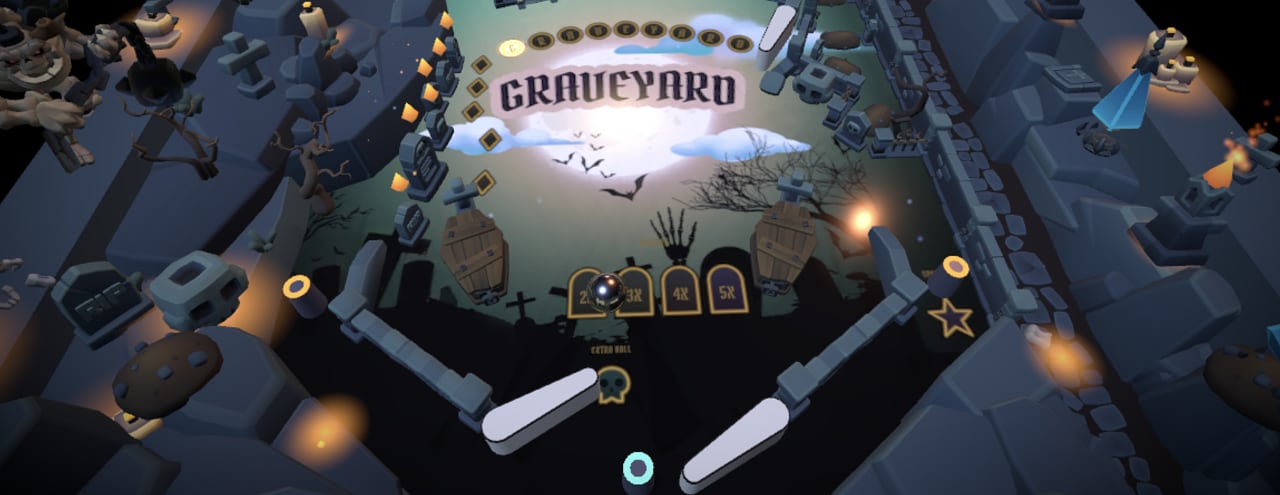
Halloween is almost upon us, so how about a round of Graveyard Pinball? It's built with React Three Fiber, with skulls, cauldrons and a skeleton mage. Its creator explains more about how it works here, including how the 3D table actually uses 2D physics. |
|




Комментарии
Отправить комментарий